Questions by Alex Bush. Responses by Ian Wengerd.
Ian Wengerd
🏆 Supra Human Man of the Year 2026
The ambition, work, challenges and personal growth behind the transformation, from the pursuit of MOTY to life after the award.
“I still want to be the baddest man out there. What that means to me today is completely different.”
— Ian Wengerd
Ian Wengerd decided he wanted to become Supra Human Man of the Year a year before he won it. I remember him telling me about that goal shortly after SHX Nashville in 2025, when he was still early in his transformation. What I didn’t fully appreciate at the time was how much he was dealing with outside the gym.
In this conversation, Ian talks about the pressures he was facing in business, the effect those pressures had on his family, the challenges he encountered along the way, and how his understanding of success changed throughout the experience. We also revisit some of the ideas he explores in Built for More, a book he’s been working on about his journey.
The Vision & Starting Point
After Ben received his MOTY award last year, you mentioned that winning it was already on your radar. Then, shortly after SHX 2025, you told me you wanted to be the “baddest man out there.” Looking back, what was driving that ambition?
At SHX Nashville in 2025, I had just finished my first cut. I was down around 145 pounds, very lean, but without much muscle. Honestly, I looked almost gaunt. I wasn’t standing there feeling proud of an extraordinary physique. I was wondering what I might be capable of if I really committed to building one.
At the same time, things in business were incredibly stressful. We were dealing with a major lawsuit and an unpaid project, either of which could have seriously threatened the businesses. I carried a lot of that fear quietly. I didn’t want my wife, Esther, or the children to know how worried I was. I could be sitting at the dinner table physically, but mentally I was somewhere else, and sometimes that pressure came out as a short temper with my family.
Watching Ben win Man of the Year was inspiring, but it felt almost unreachable for somebody like me. I had built businesses, but I hadn’t experienced that kind of personal accomplishment outside work. When I said I wanted to be the “baddest man out there,” I wasn’t saying I thought I already was. I was saying I wanted to find out whether I could become that man. I wanted a level of confidence in myself that I hadn’t had before. And yes, I wanted to win.
Once you decided you were going after MOTY, what were the first things you changed about how you trained, ate and organized your life? As the year went on, what did you realize you needed to do differently?
I actually started making those changes months before SHX 2025. Early on, I was somewhat halfhearted with tracking food. I was doing the workouts but wasn’t fully convinced the process would work. After a conversation with Ben Shortreed about going all in, I told my coach I was committed to doing whatever it took.
I started tracking my macros seriously, hitting my steps, getting every workout done, and making my mornings about improving myself instead of immediately starting work. I also had to change the way I approached food. I couldn’t just eat whatever was convenient anymore. I had to plan ahead, prepare meals, and make choices that weren’t always popular with the people around me. As time went on, I realized it wasn’t about finding more things to do. It was about executing the plan consistently, being patient, and trusting my coach.
In Built for More, you wrote about how the pressure of running your business affected your health and the time you spent with your family. What did those experiences teach you, and how did they influence the way you approached pursuing MOTY?
Before Supra Human, I was working 16- to 18-hour days and carrying almost every business problem around in my head. Even after losing weight on my own, I was dealing with dangerously high blood pressure. I was stressed, distracted, and too often short with the people closest to me. I convinced myself that being the one who worked the longest and handled everything was what made me a good business owner. But at home, my family was getting whatever was left of me. Sometimes I would sit at the table and barely hear what anyone was saying because I was still thinking about work.
Supra Human gave me a structure for taking care of myself: workouts, nutrition, steps, and time in the morning before the business day took over. I realized the same idea applied to business. I needed systems and a team I could trust instead of trying to control everything myself.
I remember walking with Esther past the shop one day. She asked if we were busy, and I told her, “It seems like things are going well, and my crew tells me we’re busy, so I guess we are.” That might sound ordinary, but it was a huge change for me. I didn’t need to personally know and control every detail anymore.
I still step in when the team needs me, especially when things get overwhelming. But I’m learning to lead rather than carry everything myself. I can be more present with Esther and the children, and I can think more clearly at work. What good is building a successful business if I destroy my health or don’t have the time and energy to enjoy life with the people I love?
The Work Behind the Transformation
People see the before and after pictures, but you and I know there’s a lot more to it than that. What did a typical day or week actually look like for you?
Most mornings started around 4:30. I made time for my workout, steps, and sometimes prayer or quiet reflection before heading into a demanding business day. I tracked my food and planned meals, but I don’t want to make it sound like I woke up every morning feeling strong and motivated, because that wasn’t always the case. There were mornings when I cried during or after a workout. Sometimes it was the weight of what was happening in business. Sometimes it was exhaustion, frustration with how slowly I seemed to be progressing, or just the emotion of finally doing something for myself.
There was guilt, too. I’d spent years being the person who worked longer than everybody else. I worried that employees might see me spending time on my health and think I wasn’t as committed to the businesses anymore. I didn’t question whether improving my health was the right thing to do, but I had to get comfortable with changing that old pattern.
The walks became especially valuable. They gave me time to think, calm down, and work through problems rather than react to everything immediately. I often came back more productive and better able to lead. The transformation wasn’t built in one dramatic moment. It was built in ordinary mornings, difficult business days, planned meals, and following through when the results weren’t obvious yet.
What was one rule or routine you refused to break throughout the year, no matter what else was going on? What helped you stick to it?
Getting up and doing what I had committed to doing. I stopped allowing how I felt that morning to determine whether I followed through. If my workout was scheduled, I did it. If I had macros or steps to hit, I worked to hit them.
Not everything went perfectly, but I stopped negotiating with myself every time something became inconvenient. Over time, following through became something I could count on myself to do. That confidence started carrying over into my business and family life.
Between running your business, raising a family and pursuing MOTY, something had to give. What did you end up giving up along the way, and how did you decide what you weren’t willing to sacrifice?
The biggest sacrifices in my life actually happened before Supra Human. I had sacrificed far too much family time to the businesses. I worked late, carried the stress home, and wasn’t always there to help Esther or be present for the children the way I should have been. When I started taking my health seriously, I didn’t want to repeat that mistake by making fitness another thing that took me away from my family. I made room for training early in the morning and learned to plan my food better.
One habit I did give up was drinking whiskey almost every evening. Looking back, it was a way to unwind and probably escape some of the pressure I was carrying. Giving it up was easier than I expected. There were adjustments, especially around meals, but the goal wasn’t to sacrifice my marriage or my children to win an award. It was to become healthier and more present for them. I wanted to stop giving my family whatever was left of me at the end of the day.
Was there a particular moment when Devin made you rethink how you were approaching something? What happened?
When I tore my left hamstring in May 2026, I was in the middle of preparing for my July photoshoot. I was frustrated because I didn’t want the injury to derail all the work I’d put in. My instinct was to find another way to do more. I looked into joining the YMCA so I could swim or walk in the water. I considered getting a bike or a rower. I even thought about whether I should cut calories more aggressively to make up for the activity I was losing.
Devin didn’t react that way at all. He told me to let the hamstring rest, back off leg and hamstring training for a week or two, keep walking as tolerated, and make only a small nutrition adjustment if needed. Then we’d reassess. It was a reminder that doing more isn’t always doing better. I didn’t need a dramatic workaround. I needed to let my body recover and follow a sensible plan. I listened, and we still got through the cut successfully. I’ve never had a major disagreement with Devin, but that was one of the clearest examples of him helping me slow down when my instinct was to push harder.
What was the toughest stretch of the year for you and how did you work through it?
The hardest part of the year wasn’t one crisis or a moment when I thought about quitting. It was learning to be patient when I felt like I was doing everything right and the physical results weren’t moving fast enough. I’m used to solving problems in business by working harder, making decisions, and finding another way forward. With my body, I couldn’t force results on my preferred schedule. I’d wonder whether I needed to train more, eat less, or add cardio.
I talked about it with Devin during our weekly check-ins. We were always looking at the goal of getting one step closer to Man of the Year, and he kept reminding me to stay with the plan rather than make changes out of frustration. The hamstring injury added another challenge, but I never seriously considered backing off the goal. I just had to accept that patience was part of the work.
There may have been times when putting more attention into myself meant I wasn’t pushing business growth as aggressively as I once would have. But I don’t regret prioritizing my health. I learned that consistent effort doesn’t always produce immediate visible progress, and that doesn’t mean the effort is wasted.
For someone in Supra Human who’s just getting started, what are three habits that made the biggest difference in your own transformation and what’s one mistake you made that you’d want them to avoid?
First, make your health a priority in your daily schedule. For me, that meant getting up early and getting my workouts done before business could interfere. Second, track your nutrition and actually follow the plan. You can’t expect results if you’re only committed to the parts you enjoy. And third, quit negotiating with yourself. You won’t always feel motivated. Do it anyway.
My biggest mistake was thinking harder always meant better. There were times I pushed my dieting and discipline to extremes, almost believing that the more I suffered, the better my results would be. I also had to learn that you can’t expect everything to happen on your schedule. Your body doesn’t care how badly you want the results. I needed to trust Devin, be patient, and stop making the process harder than necessary.
Mindset, Faith & Personal Growth
In Built for More, you talk about learning to let go of the need to control everything. When you set your sights on winning MOTY, how did you handle knowing that no matter how hard you worked, winning the award wasn’t guaranteed?
I knew I couldn’t control who won. I could control my effort, commitment, attitude, and how well I followed the program. Beyond that, the decision wasn’t mine.
As SHX got closer, I started preparing myself for the possibility of not winning. I wanted to know I’d given everything I had, even if the decision went someone else’s way. I had to learn to give everything I had without needing to control the outcome.
You mentioned that faith became a bigger part of your life. How did that develop over the year, and did it change how you handled difficult situations?
I started spending time every morning in prayer, devotion, Scripture, or quiet reflection. It wasn’t one particular situation that changed my relationship with faith. It was something that developed gradually.
Over time, I began trusting God more and realizing I wasn’t ultimately in control of everything anyway. My responsibility was to show up, do the best I could with the circumstances I had, and trust Him with the rest. That took an enormous amount of stress off me. Those early mornings have become some of the most valuable time I spend on myself. It’s helped me approach difficult situations with a calmer mindset instead of feeling like I need to fix or control everything immediately.
Apart from the physical changes, did this year make you face anything about yourself that you hadn’t been willing to look at before?
I learned how much of my identity I’d wrapped up in being successful in business. I wanted to take on the biggest projects and prove we could handle them, even when they brought enormous stress or weren’t as profitable as they should have been. For a long time, I almost treated working the longest hours and carrying the most pressure as proof of my value. I thought I needed to be the person with every answer.
Now I look at success differently. Profitability, the quality of our work, our relationships with customers, our company culture, and keeping good employees matter more to me than simply landing a huge project.
I’ve changed the way I communicate, too. In difficult conversations or negotiations, I don’t feel the same need to fill every silence or prove I’m right. I can explain the facts calmly and give the other person room to respond.
I’ve also started having more genuine conversations with employees about their lives, families, and health. I want them to know I care about them as people, not just what they produce for the company. Some have even started making changes to their own health. I don’t feel the same pressure to prove myself to everybody. I’m more comfortable being who I am and letting the work and the relationships speak for themselves.
In your book, Built for More, your wife Esther tells you, “You’re not present anymore.” If she were asked how you’ve changed this year, what do you think she’d say?
If you’d asked Esther early in my journey, I’m not sure she would have had many good things to say about what I was doing. She never really questioned my workouts or steps, but the food was sometimes a problem. She’d make dinner for the family, and I’d go to the refrigerator or pantry and prepare something different because I was trying to hit my macros. Sometimes she’d get frustrated and ask, “Isn’t my cooking good enough for you anymore?”
But her biggest concern was how much weight I was losing. By the end of my first cut, I was down around 145 pounds. I was extremely lean, almost gaunt-looking, and didn’t have much muscle. Esther didn’t like it at all. She’d tell me almost daily that I was getting too skinny, that I didn’t look healthy, and that she’d never join a program that made somebody look like that. I’d tell her, “I’m listening to my coach. We’re going to start building muscle, and I’m going to fill back out.” The truth is that I’d never built muscle before. I didn’t really know what that was going to look like either.
There were times her concerns made me question things myself. I was frustrated, but I didn’t really express that to her. I just kept following Devin’s plan because I trusted him. As I started gaining muscle, Esther began noticing. But I think what really changed her mind was that she wasn’t just seeing a different body. She was seeing changes in how I handled stress, how present I was at home, and how I treated the people around me. In March 2026, she asked me to help her get started with her own fitness journey. She wasn’t ready to join Supra Human, so I got her set up with workouts and helped her track her nutrition in MyFitnessPal. She wasn’t sure she could execute at the level I had. I reminded her that she didn’t need to. That was simply the level I’d chosen for myself.
By the time SHX Orlando came around, she’d lost about 20 pounds, but she’d also hit a plateau. I wasn’t entirely sure what adjustments to make to keep her progressing, and I’d been encouraging her to consider joining so she could work with a female coach. She’d also attended two Elite events with me and had opportunities to work out with the coaches. Those experiences helped her a lot and showed her what she could learn from people who really understood the process.
At SHX Orlando, she kept asking me whether I thought she should sign up. I’d tell her, “You know the answer. Of course I’d love for you to join, but I’m not going to make that decision for you. It has to be yours.” After seeing the transformations and experiencing the community, she finally decided, “Why not? What do I have to lose?” She signed up about 30 minutes before I was announced as Man of the Year. That was one of the most emotional moments of my entire journey, even before the award.
I was incredibly proud of her. I knew she had no idea what she’d just signed up for or how much she was capable of accomplishing. And I knew that if she committed, listened to her coach, and did the work, she could accomplish things she couldn’t even imagine yet. But what excited me most was knowing we were now doing this together. The impact wouldn’t stop with either one of us. It would affect our children, our family, and potentially a lot of other people around us. I have no idea how far that ripple effect will go.
If you asked Esther how I’ve changed, I think she’d tell you that she’s seen a different husband and father, not just a different physique. And the fact that she wanted to begin her own journey means more to me than I can really put into words.
Community, Connection & Impact
You made it clear early on that winning MOTY was a goal of yours. As the year went on, how did that ambition influence the way you participated in the community and supported other members?
Initially, I was focused on proving what I could accomplish. But as I became more involved, I started recognizing how much value there was in helping other people succeed.
I wanted to share what was working, encourage people who were struggling, and help them understand that they were capable of more than they thought. I don’t have everything figured out, but I know what it feels like to be overwhelmed, frustrated, and unsure where to start. I also learned that being a leader doesn’t mean you have to have all the answers. Sometimes it’s simply being willing to share your own struggles and help someone else keep moving forward. If sharing my experience can help someone else take that next step, I want to do that.
Is there one conversation or moment with another SH member that really stuck with you?
I don’t know that there’s one specific conversation with a Supra Human member that stands out above everything else. For me, it was the experience of upgrading to Elite at SHX Nashville in 2025 and attending my first Elite fly-in.
What amazed me most was how everybody left their egos at the door. Here I was, surrounded by extremely successful, high-performing people, both the coaches and other members, and nobody was walking around with a chip on their shoulder or trying to prove they were better than anybody else. Everybody was just being themselves.
I got to work out alongside some knowledgeable coaches and talented members. They were genuinely interested in helping me. They’d ask questions about what I was struggling with, what I was trying to accomplish, and where they could support me. The openness, honesty, and willingness to help were beyond anything I’d expected. I remember feeling like I’d finally found my people.
And being around those individuals pushed me to raise my own level. My workout intensity increased, my commitment became stronger, and I started learning from people who were succeeding not just physically, but in business and life. Those relationships have continued well beyond the events themselves. Hardly a day goes by that I’m not texting, calling, emailing, or communicating with another Supra Human member. Looking back, I think becoming part of that Elite community was one of the biggest things that elevated my entire journey. It wasn’t one conversation that changed things for me. It was finding a group of people I admired, who were willing to share what they’d learned and help me become better without expecting anything in return.
What have you picked up from watching other members go through their own transformations? Has anyone changed how you think about your own goals?
One thing I’ve learned is that everybody has their own battles. It’s easy to see someone’s pictures or accomplishments and assume they’ve got everything figured out. But you don’t always know what they’re dealing with behind the scenes.
Watching others succeed has encouraged me to keep raising my own standards. And watching people struggle reminds me how important it is to support each other. Someone else’s success doesn’t take anything away from mine. If anything, it should challenge me to keep improving and help others do the same. I’ve seen people make incredible changes in their lives, and it reminds me that there’s no reason to put limits on what we think we’re capable of.
The Moment & What It Means
Before you were even nominated for MOTY, did you ever picture yourself walking onto that stage and accepting the award? I saw how emotional you were when they called your name. Was that moment anything like you’d imagined?
I’d definitely pictured myself winning, especially in the four to six weeks leading up to SHX Orlando. I hadn’t spent the entire year imagining myself on that stage, but as the event got closer, I thought about it quite a bit. Throughout the year, I’d occasionally written down thoughts about what I might say if I won. I’d reread those notes a few times, but I never really practiced a speech. And when I actually got on stage, I didn’t end up saying much of what I’d written down anyway.
What I remember most clearly about the announcement was standing right beside Devin. A minute or two before they called the winner, my Fitbit went off and told me I was “in the zone.” My heart rate was that high just standing there. I showed Devin, and he showed me his. He was in the zone, too.
Then they called my name.
The first thing Devin and I did was grab each other in a huge bear hug. I was so excited, and I think I was almost as excited for him as I was for myself. He’d put so much into helping me get there, and I was incredibly proud that he now had a client who’d won Supra Human Man of the Year. Esther was sitting out in the crowd. She didn’t want the spotlight on herself. She wanted to sit back and experience the moment in her own way. And she’d just joined Supra Human about 30 minutes earlier, which made the whole experience even more meaningful.
There were a lot of emotions hitting me at once, but one of the people I kept thinking about was my oldest son, Mark. For the two or three weeks leading up to SHX, he’d been encouraging me almost every day. He kept telling me, “Dad, I know you’re going to win. You’ve done the work. There’s nothing more you could have done.” He told me how proud he was to be my son and how proud he was that I was his dad.
But something else had been on my mind during those last couple of weeks. I’d started questioning what my intentions really were. Was I chasing this award just for myself? And if I won, what was I going to do with it? I remember deciding that if I received that recognition, I wanted to use it to help other people. I wanted somebody else to look at my journey and realize they were capable of more than they believed.
I knew I wouldn’t have gotten there without all the people who’d supported and helped me. So when they called my name, I don’t think the tears were about pride. There was some disbelief, absolutely. But mostly it was gratitude. Gratitude for Devin, Esther, my children, and everybody who’d helped me along the way. Once I got through that initial emotional shock and started speaking, the words just came. I didn’t need those notes anymore.
After the award and speech, I texted Mark immediately. All I said was, “I got it.” His response was:
“Dad, I am super proud of you for winning Supra Human Man of the Year. I could not be happier for you and more proud of you. You are not done yet. It is only up from here. You’ve got what it takes. Keep going. I am super proud to be your son.”
Reading that message meant a lot to me. It was one of the most humbling experiences of my life.
You’d had MOTY in your sights since SHX 2025. Now that you’ve achieved what you set out to do and had some time to reflect, what does winning the award mean to you personally?
Winning Supra Human Man of the Year hasn’t really changed how I see myself. The confidence I have today was built throughout the journey, not when somebody handed me an award. The award is recognition for what I’ve already accomplished. I do feel some added responsibility now. I want to be more involved in the Forum and Underground, encourage other members, and help them experience some of the changes I’ve experienced. I don’t want it to be about me or the title.
But probably the biggest thing that happened after winning was a conversation I had with Devin.
My immediate reaction was, “All right, what’s next? What’s our next big goal? It’s got to be bigger, more aggressive, something that really pushes me, because now I know what I’m capable of.” And Devin challenged me on that. He wasn’t saying there was anything wrong with setting another huge goal. But he asked me to think about whether I really needed some almost unreachable target in front of me to keep executing at a high level. He suggested that maybe my next goal should simply be to prove I could keep doing what I’d been doing without chasing another award.
I’ll admit, I initially resisted that idea. I didn’t say anything to Devin about it because I wanted time to think it through. But the more I thought about it, the more I realized he was challenging something deeper in me. I’d spent so much of my life measuring success by the next big accomplishment. Maybe the next challenge wasn’t to achieve something bigger. Maybe it was to prove that this new way of living was genuinely who I’d become.
And that advice couldn’t have come at a better time. Since SHX, we’ve gone through an extremely stressful season in business. There have been days when I barely have time to think about anything beyond the responsibilities in front of me. If I’d immediately committed myself to another massive goal, I’m not sure how I would’ve managed it all.
Instead, I’m continuing to train, follow my nutrition, and take care of my health at a very high level. And what amazes me is how natural much of it has become. I’m not saying every day is easy, because it isn’t. But even with everything happening in business, I don’t feel like I need some huge achievement waiting at the end to keep doing the work.
I’m grateful Devin challenged me to look at things differently. I think that’s what winning means to me now. It isn’t a finish line, and it doesn’t mean I have to immediately find another mountain to climb. The next challenge is to keep living this way, through the good seasons and the difficult ones, because this is who I am now.
When you first set your sights on MOTY, winning the award was a personal ambition. As the year went on, did anything change what that goal meant to you? And now that you’ve won, has that changed how you see your responsibility to your family, the Supra Human community, and the people around you?
When I first decided to pursue Supra Human Man of the Year at SHX Nashville in 2025, my motivation was pretty personal. I’d never experienced having an extraordinary physique, and I wanted to see if I could actually build one. But if I’m being completely honest, there was some ego involved, too. I’d experienced success in business, but I hadn’t really felt that same level of accomplishment in many other areas of my life. Part of me wanted the recognition. I wanted to prove to myself, and probably to other people, that I could be successful at something besides business. I don’t think there’s much value in pretending that wasn’t part of it.
But as the year went on, my reasons started changing. I began seeing what my transformation was doing to Esther, our children, and the way I approached my business and relationships. I wasn’t just getting into better physical shape. I was handling stress differently, becoming more present at home, and changing mentally and emotionally. And then there was my oldest son, Mark. When he told me I was his hero and that he was proud to be my son, it caught me completely off guard. I’d never even imagined him saying something like that. I got emotional. Over the following days and weeks, I kept thinking about what he’d said.
For so much of my life, I’d been focused on business accomplishments and proving myself to other people. And now my own son was telling me something that meant more than any of that recognition. It made me realize how much more important it was to be a good husband, father, and leader than to spend my life trying to prove myself. Some people may have even seen me as arrogant because of how hard I was trying.
I started seeing things differently. I still believe there’s a time when you need to put yourself first and take care of your own health. That might feel a little selfish at the beginning, but sometimes it’s necessary. But if all I got out of this was a physique, an award, and recognition, I’d be missing something much bigger. What matters more to me now is the impact I can have on my wife, my children, and the people around me. And if sharing my experience can encourage somebody else to make changes that improve their life and their family’s life, that’s worth far more to me than having people admire what I’ve accomplished.
I started out pursuing Man of the Year because I wanted to prove something about myself. Somewhere along the way, I realized I had much more to gain by becoming somebody who could make a meaningful difference in other people’s lives.
Now that I’ve won, I do feel a greater sense of responsibility. I know people may be watching how I live and what I do next, and I want my actions to back up the things I say. More importantly, I feel responsible for continuing to live up to the standards I’ve built, not just for myself, but for Esther, our children, my employees, and the Supra Human community. I want to lead by example. I’m proud of winning MOTY, but I’m nowhere near finished.
In Built for More, you write about learning that your worth isn’t defined by what you accomplish. You worked incredibly hard to win MOTY, but if you’d given it everything you had and someone else had won, do you think you would have felt the same sense of pride and fulfillment in what you’d accomplished?
Yes, I really believe I would have. Would I have been disappointed? Absolutely, at least for a little while. I wanted to win. But during the last couple of weeks before SHX, I had already decided that if someone else won, I wanted to be there celebrating with him.
Whoever won would have earned it, and his success wouldn’t take anything away from what I’d accomplished. I had done this for myself, not for a trophy. My health, confidence, family relationships, and mindset had already changed. Those were wins nobody could take away from me. And regardless of the outcome, I was going to continue building and improving.
Reflection, Lessons & What Comes Next
When you told me after SHX 2025 that you wanted to be the “baddest man out there,” you had a pretty clear idea of what you wanted to accomplish. Looking back now, how do you see that ambition today?
If I could go back to SHX Nashville in 2025 and talk to myself, I wouldn’t tell myself to back off that ambition. I’d tell myself to make sure I was chasing it for the right reasons. Because looking back, I think part of wanting to be the “baddest man out there” was about proving something to the world. There was some ego involved, maybe even some arrogance. I’d challenge myself to ask why I needed an award or recognition from other people to prove I could accomplish something.
The reality is most of the people you’re trying to impress probably don’t care that much anyway. But I still believe in going all in. I still want to be the baddest man out there. What that means to me today is completely different. I want to be the most ruthless, consistent, disciplined man in every room I walk into, but without arrogance. And when I say ruthless, I mean ruthless with myself. With my commitments, my health, my well-being, and the expectations I set for myself. Not ruthless toward other people. I want to walk into a room unapologetically as myself, without needing to prove anything to anybody.
I don’t negotiate with the weaker, older version of myself. I hold myself accountable to the man I’ve become and the man I’m continuing to build. And that doesn’t just mean having an extraordinary physique. It means being disciplined in how I handle stress, how I lead my businesses, how I show up in my marriage, how I raise my children, and how I treat the people around me. I still have the same drive I had in Nashville. What has changed is why I’m pursuing it. I no longer need to be better than everybody else to prove something. I want to live up to the standards I’ve set for myself, whether anybody recognizes it or not.
So, what’s next for you? And do you think you’ll approach things differently after everything you’ve learned this year?
I’m continuing to build. Physically, I’m back in a muscle-building phase and plan to keep improving my physique. But my bigger goals are becoming stronger in mind, body, and spirit, improving as a husband and father, and becoming a better leader in my businesses and community.
I want to keep raising my standards without losing sight of what matters most. I’ve also learned that I don’t need to rush everything. Consistency, patience, and trusting the process will take me further than constantly trying to force results. I don’t know exactly where this journey will take me, but I’m excited to find out. And I want to bring as many people along with me as I can.
If another Supra Human member told you today that they wanted to win MOTY, what would you want them to understand about pursuing that goal that you didn’t fully appreciate when you started?
I’d tell them to go after it. Absolutely. But understand that you’re signing up for a lot more than workouts and a nutrition plan. You’re going to have days when you’re tired, frustrated, hungry, or questioning whether any of it is working.
You’re going to have to make decisions that other people might not understand. And you’re going to have to learn patience. Don’t chase the award at the expense of everything else. Use that goal to challenge yourself to become better in every area of your life. Trust your coach, do the work, and quit negotiating with yourself.
I’d also tell them to get involved in the community. There’s real value in being around people who want to see you succeed and who will challenge you to become better. And remember, whether you win the award or not, the person you become along the way is what really matters.
You called your book Built for More. After this year, what does “more” mean to you?
If I could sit across from the man I was in January 2025, I’d tell him to trust the process, go all in, set his standards, and live up to them one day at a time. Because eventually you’re going to find yourself somewhere you couldn’t have even dreamed possible. That’s exactly what happened to me.
But here’s the thing. I still don’t know what I’m ultimately capable of, and that’s what excites me. For me, “more” means continuing to discover what I’m capable of, without believing there’s a final destination I have to reach. I don’t know where this journey ends, and I’m not worried about finding out.
I just know we’re only going up from here.
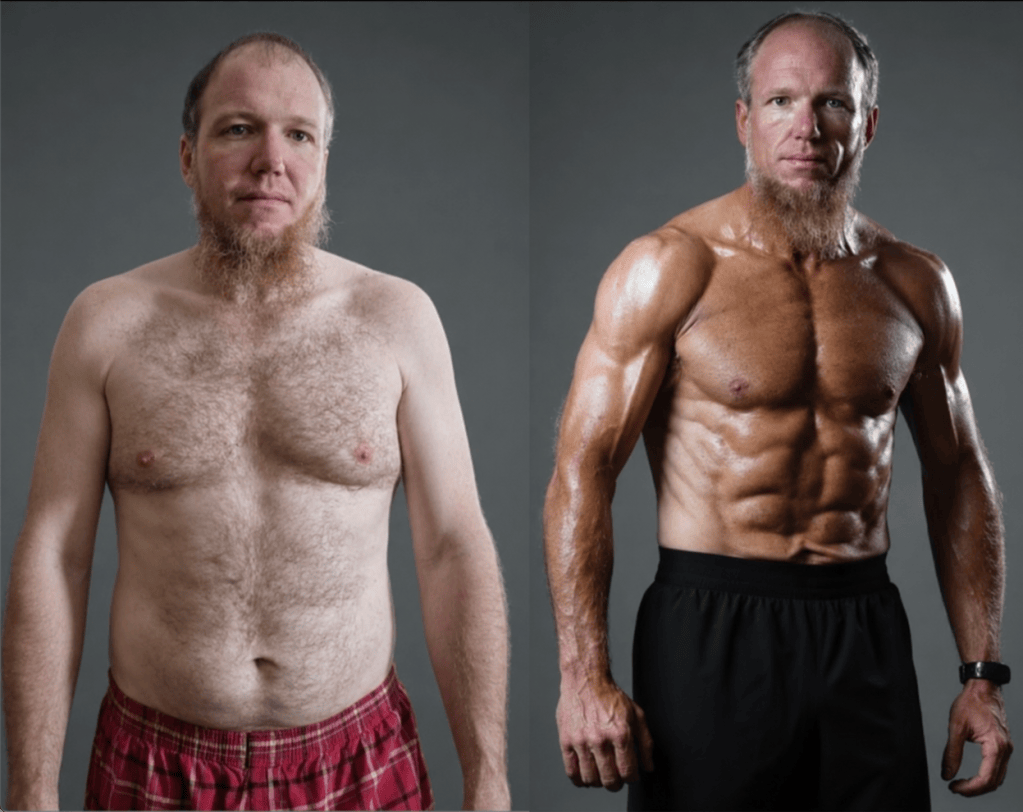
“The next challenge is to keep living this way, through the good seasons and the difficult ones, because this is who I am now.”
— @ Ian Wengerd, Supra Human Man of the Year 2026 🏆
Want to read last year’s? Here’s the Ben Shortreed deep dive, Supra Human Man of the Year 2025.
2026: A Deep Dive with Ian Wengerd
Questions by Alex Bush. Responses by Ian Wengerd.
© 2026 | krysalisforge.com

Leave a Comment